


Severe weather can cause significant damage to trees across Lincolnshire. High winds, heavy rain, and storms often result in broken branches, leaning trunks, fallen trees, and hidden structural weaknesses. Knowing what to do after storm damage to trees is essential for protecting your property, your family, and your landscape.
If your trees have been affected by a storm, follow these important steps to ensure safety and prevent further damage.
1. Prioritise Safety First
After a storm, safety should always be your first concern. Damaged trees can be unstable and unpredictable. Hanging branches, cracked trunks, or partially uprooted trees may fall without warning.
Avoid standing directly beneath damaged branches. Keep children and pets away from the affected area. If a tree has fallen onto a road or neighbouring property, maintain a safe distance and notify the appropriate authorities if necessary.
Never attempt to remove large branches or fallen trees yourself, especially if they are close to buildings, fences, or power lines.
2. Check for Immediate Hazards
Once it is safe to do so, assess your property for urgent risks. Look for:
-
Split or cracked trunks
-
Large hanging or broken limbs
-
Trees leaning heavily to one side
-
Uprooted root systems
-
Branches tangled in power lines
If you notice branches touching or near electrical cables, do not approach them. Contact your electricity provider immediately. Electrical hazards require specialist handling.
3. Document the Damage
Before any cleanup begins, take clear photographs of the storm damage. This is especially important if:
-
A tree has fallen onto a building or vehicle
-
Fences or garden structures are damaged
-
You plan to make an insurance claim
Photographic evidence helps speed up insurance assessments and ensures accurate documentation of the situation.
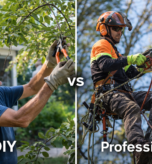
4. Avoid DIY Tree Removal
It may be tempting to start cutting and clearing debris yourself. However, storm-damaged trees are often under tension, meaning branches can spring or shift unexpectedly when cut.
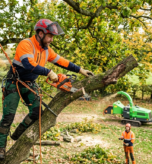
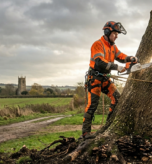
Improper removal can lead to serious injury or further property damage. Professional tree surgeons are trained to handle hazardous tree removals safely using specialist equipment and techniques.
Hiring an experienced tree surgeon in Lincolnshire ensures the job is completed efficiently and safely.
5. Arrange a Professional Tree Inspection
Not all storm damage is obvious. Even if a tree appears stable, internal structural damage may exist. Cracks, weakened roots, or split limbs can worsen over time.
A professional tree inspection can determine:
-
Whether a tree can be saved
-
If pruning is sufficient
-
If complete removal is necessary
-
Whether the tree poses ongoing risk
Early intervention can often prevent future emergencies and reduce long-term costs.
6. Prune and Remove Damaged Branches
If the tree is structurally sound, careful pruning can restore its health and appearance. Removing broken branches reduces stress on the tree and encourages healthy regrowth.
Proper pruning also prevents decay and disease from entering through damaged areas. However, this work should be carried out correctly to avoid weakening the tree further.
7. Consider Stump Removal if Necessary
If a tree must be completely removed, stump grinding may be required. Leaving a stump can create trip hazards, attract pests, and interfere with future landscaping plans.
Professional stump removal ensures your garden remains safe, tidy, and ready for replanting if desired.
8. Plan Preventative Maintenance
Once storm damage has been resolved, it is wise to think about preventative tree maintenance. Regular inspections and pruning reduce the likelihood of severe damage in future storms.
Preventative care may include:
-
Crown thinning to reduce wind resistance
-
Removing weak or dead limbs
-
Checking root stability
-
Monitoring tree health annually
Proactive maintenance helps protect both your property and the long-term health of your trees.
When to Call an Emergency Tree Surgeon in Lincolnshire
You should contact a professional immediately if:
-
A tree has fallen onto your home or vehicle
-
Large branches are hanging dangerously
-
A tree is blocking access routes
-
There is risk to neighbouring properties
-
The tree is near power lines
Emergency tree services are designed to respond quickly and safely, minimising risk and further damage.
Why Professional Tree Care Matters After a Storm
Storm-damaged trees can be unpredictable and dangerous. Attempting to handle large-scale damage without proper training increases the risk of injury and costly mistakes.
A qualified and insured tree care company has the experience, tools, and safety procedures required to manage hazardous situations efficiently. From emergency tree removal to careful restorative pruning, professional support ensures your property is secure and your trees are managed responsibly.
Final Thoughts
Storm damage to trees can be stressful, but taking the right steps makes a significant difference. Prioritise safety, avoid risky DIY solutions, document the damage, and arrange a professional inspection as soon as possible.
If you need expert help with storm-damaged trees in Lincolnshire, working with an experienced local tree surgeon ensures the problem is handled safely, quickly, and effectively.