


[Introduction]
Living in Lincolnshire, we are lucky to be surrounded by beautiful, mature trees. They add value to our properties and character to our landscapes. However, trees are living things, and they don’t always give a loud warning before they become a hazard.
Whether it’s the result of our unpredictable British weather or simply a tree reaching the end of its natural life, knowing when to call a professional can save you a fortune in property damage—and keep your family safe. As professional tree surgeons working across Lincolnshire, we’ve put together a quick guide to help you spot the warning signs in your own garden.
[Section 1: The “DANGER” Signs]
You don’t need to be an arborist to spot that something is wrong. Keep an eye out for these five common red flags:
-
Fungal Growth: If you see mushrooms or brackets growing on the trunk or base of the tree, it’s a strong sign of internal decay.
-
Dead or Hanging Branches: These are “widowmakers.” If you notice deadwood in the canopy, it’s only a matter of time before it falls—often during a storm.
-
Leaning Suddenly: A tree that has started to lean significantly, especially if the soil is mounded or cracking on the opposite side, indicates root failure.
-
Deep Cracks in the Bark: Large, vertical cracks or seams in the trunk can signal that the tree’s structural integrity is compromised.
-
Cavities and Hollows: While some hollows are harmless, large cavities in the main stem can significantly weaken a tree’s ability to withstand high winds.
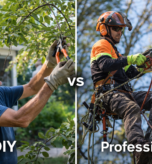
[Section 2: Why DIY Tree Work is a Risky Business]
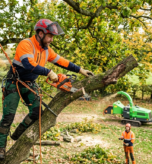
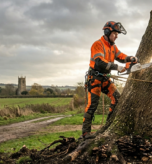
We often get asked, “Can’t I just take that branch down myself?” While we love an enthusiastic gardener, tree surgery is a high-risk profession. Between working at height, handling heavy machinery, and navigating power lines, the margin for error is non-existent.
Professional tree care isn’t just about cutting branches; it’s about understanding tree biology, proper pruning techniques to prevent disease, and managing the safety of your property. Our team uses modern, specialist equipment to safely dismantle even the most difficult trees in tight spaces, leaving your garden clean and tidy when we’re finished.
[Section 3: The Best Time for Maintenance]
Don’t wait for a storm to force your hand. Proactive maintenance—like professional pruning or crown thinning—is much cheaper than emergency removal. Generally, late autumn and winter are excellent times for tree surgery, as the trees are dormant and it’s easier to see the structure of the canopy without the leaves.
[Conclusion]
Not sure if that tree in your garden is healthy or hazardous? Don’t guess—let us take a look. We offer professional, insured, and friendly tree services throughout Lincolnshire. Whether you need a simple prune or a complex removal, we’re here to help keep your outdoor space safe and beautiful.
Worried about a tree? Don’t wait until the next big wind.
-
Call our team today: 01507 622 512
-
Get a free, no-obligation quote: Visit lincolnshiretreecare.co.uk