

Knowing when to cut or prune trees is essential for maintaining a safe, healthy, and attractive garden. Timing plays a crucial role in tree care, affecting everything from growth and structure to disease prevention and safety.
In this guide, we explain the best time to cut trees in the UK, when to avoid pruning, and when it is best to call a professional tree surgeon.
Why Timing Matters in Tree Cutting
Tree cutting is not just about appearance. Done correctly, it helps:
- Promote healthy growth
- Prevent disease and decay
- Reduce safety risks from weak or damaged branches
- Maintain the structure and balance of the tree
Professional tree surgeons, such as those at lincolnshiretreecare.co.uk, use proven techniques to ensure trees remain safe and healthy all year round.
Best Time to Cut Trees in the UK
Late Winter to Early Spring (Best Overall Time)
The ideal time to prune most trees is during late winter or early spring, before new growth begins.
Benefits:
- Trees are dormant, reducing stress
- Easier to see structure without leaves
- Lower risk of pests and disease
This is the most recommended period for general pruning and maintenance.
Summer (Light Maintenance Only)
Summer is suitable for minor pruning or shaping.
Use this time to:
- Remove dead or damaged branches
- Control growth
- Improve appearance
However, avoid heavy cutting as it can stress the tree.
Autumn (Usually Avoid)
Autumn is generally not recommended for tree cutting.
Why:
- Fungi and diseases spread more easily
- Trees are preparing for dormancy
- Cuts heal more slowly
Emergency Situations (Any Time)
In some cases, tree work cannot wait.
Examples include:
- Storm damage
- Dangerous or hanging branches
- Trees posing a safety risk
Professional services like lincolnshiretreecare.co.uk provide rapid response tree care to handle urgent situations safely. (lincolnshiretreecare.co.uk)
Trees That Require Special Timing
Some species need more specific care:
- Fruit trees – best pruned in winter or summer depending on type
- Evergreens – usually pruned in late spring
- Flowering trees – prune after flowering
If unsure, it is always best to consult an expert.
Signs Your Tree Needs Cutting
You should consider pruning if you notice:
- Dead or broken branches
- Overgrown or uneven shape
- Branches touching buildings or power lines
- Reduced light in your garden
Regular maintenance helps prevent more serious issues later.
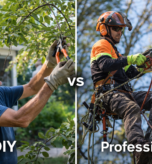
Why Hire a Professional Tree Surgeon?
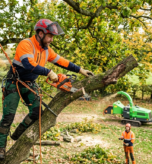
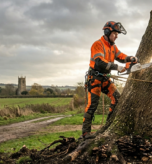
Tree cutting can be dangerous and requires proper knowledge and equipment.
Professional tree surgeons:
- Ensure safe and controlled work
- Use correct pruning techniques
- Protect the long-term health of the tree
- Handle waste removal
Experienced providers like lincolnshiretreecare.co.uk offer comprehensive services, from routine pruning to emergency tree removal, ensuring trees remain healthy and safe throughout the year. (lincolnshiretreecare.co.uk)
Conclusion
Understanding when to cut trees is key to maintaining a safe and healthy outdoor space. While late winter is generally the best time for most tree work, each situation is different.
For expert advice and reliable service, working with a professional tree care provider ensures the job is done safely and correctly.