


Trees are valuable assets to any property. They provide shade, enhance kerb appeal, support wildlife, and increase property value. However, when a tree becomes unhealthy or structurally unstable, it can quickly turn from an asset into a serious safety risk.
Recognising the early warning signs that a tree needs professional attention can prevent property damage, personal injury, and costly emergency work. In this guide, we outline the most common indicators that a tree may require inspection or treatment from a qualified tree surgeon in Lincolnshire.
Why Early Intervention Matters
Tree issues rarely develop overnight. Structural weaknesses, disease, root damage, and storm stress often progress gradually. The earlier problems are identified, the more options are available for treatment and preservation.
Delaying professional assessment can lead to:
-
Falling branches or complete tree failure
-
Damage to roofs, vehicles, fencing, and neighbouring properties
-
Increased liability risks for homeowners
-
Higher costs due to emergency call-outs
Routine inspections and proactive tree care significantly reduce these risks.
Dead or Dying Branches
One of the most visible signs that a tree needs attention is the presence of dead or dying branches, particularly in the upper canopy.
Warning signs include:
-
Brittle branches that snap easily
-
Branches with no leaves during growing season
-
Peeling or missing bark
-
Discoloured or sparse foliage
Deadwood not only affects the tree’s health but also poses an immediate hazard. Even relatively small branches can cause injury or damage when falling from height. Professional pruning removes hazardous limbs safely and encourages healthier growth.
Cracks in the Trunk or Major Limbs
Large vertical cracks, splits, or cavities in the trunk or primary branches indicate potential structural weakness.
These defects may result from:
-
Storm damage
-
Frost stress
-
Previous improper pruning
-
Internal decay
Structural cracks compromise the integrity of the tree and increase the likelihood of failure, particularly during high winds. A qualified tree surgeon can assess whether corrective pruning, bracing, or removal is necessary.
Leaning Trees or Sudden Movement
While some trees naturally grow at a slight angle, a sudden or increasing lean can signal root instability.
Be cautious if you notice:
-
Soil lifting or cracking around the base
-
Exposed or damaged roots
-
A tree that appears to have shifted after storms
In Lincolnshire, where strong winds are not uncommon, unstable trees present a serious risk. A professional inspection can determine whether the tree can be stabilised or requires removal.
Fungal Growth Around the Base
The presence of fungi at the base of a tree often indicates internal decay within the trunk or root system.
Common signs include:
-
Mushrooms growing near the root flare
-
Soft or spongy wood at the base
-
Cavities or hollow sections in the trunk
While not all fungal growth is harmful, it frequently suggests underlying structural compromise. A thorough assessment is essential to determine the extent of decay and the safest course of action.
Thinning Canopy or Sparse Leaves
A healthy tree should produce a full canopy during its growing season. Noticeable thinning or patchy foliage may indicate stress, disease, or root problems.
Possible causes include:
-
Soil compaction
-
Drought stress
-
Pest infestation
-
Nutrient deficiencies
If large sections of the canopy fail to leaf out, professional diagnosis can help identify whether treatment is possible or whether the tree’s health is in decline.
Bark Damage and Decay
Bark acts as the tree’s protective layer. Significant peeling, cracking, or missing bark can expose the inner wood to pests and disease.
Watch for:
-
Large sections of bark falling away
-
Darkened or soft areas beneath the bark
-
Visible insect activity
These signs may indicate internal rot or infestation. Prompt evaluation helps prevent further deterioration.
Overhanging or Obstructive Growth
Trees growing too close to buildings, driveways, or public footpaths require careful management.
Overgrown branches can:
-
Scrape roofs and gutters
-
Block natural light
-
Interfere with power lines
-
Obstruct road visibility
Regular pruning by trained professionals ensures trees remain safe and well-shaped without compromising structural stability.
Root Damage or Construction Impact
Construction work, landscaping changes, or driveway installations can disturb root systems.
Symptoms of root damage include:
-
Sudden canopy decline
-
Leaning
-
Cracking soil
-
Reduced leaf size
Roots are essential for anchorage and nutrient absorption. When compromised, the entire tree becomes unstable. A professional assessment can determine whether remedial work is possible.
Pest and Disease Symptoms
Certain pests and diseases can rapidly weaken trees if left untreated. Warning signs may include:
-
Holes in leaves
-
Unusual leaf discoloration
-
Sticky residue or honeydew
-
Visible larvae or insects
-
Dieback in branches
Early identification is crucial in preventing the spread of disease to neighbouring trees.
After Severe Weather
Following storms or high winds, trees should be inspected for hidden damage, even if no immediate issues are visible.
Look for:
-
Broken or hanging branches
-
Split trunks
-
Newly exposed roots
-
Debris lodged in the canopy
Storm damage can weaken a tree internally, making it more vulnerable in future weather events.
When to Call a Professional Tree Surgeon
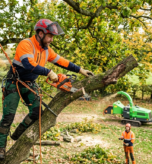
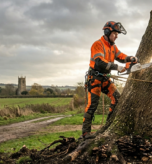
Tree care is highly specialised and often dangerous work. Attempting to remove large branches or assess structural damage without proper training and equipment can result in serious injury.
You should contact a professional tree surgeon if:
-
The tree is large or located near structures
-
There are signs of decay or structural instability
-
The tree is protected by a Tree Preservation Order
-
Emergency work is required following storm damage
A qualified team can carry out a full inspection, recommend appropriate action, and ensure all work complies with local regulations.
Protecting Your Property and Investment
Trees enhance the beauty and value of properties across Lincolnshire. With regular maintenance and early intervention, most issues can be managed safely and effectively.
Ignoring warning signs increases the likelihood of unexpected failure and costly emergency removals. By recognising early indicators such as dead branches, fungal growth, trunk cracks, or leaning, property owners can take proactive steps to safeguard their homes and surroundings.
If you are concerned about the condition of a tree on your property, arranging a professional assessment is the most responsible and cost-effective decision. Early action not only protects your property but also helps preserve the long-term health of your landscape.