

Trees are a valuable part of any landscape. They provide shade, improve air quality, enhance property value, and create natural beauty around homes and commercial properties across Lincolnshire.
However, there are situations where tree removal becomes necessary for safety, legal, or structural reasons.
In this guide, we explain when tree removal is required, the warning signs to look out for, legal considerations in Lincolnshire, and why hiring a professional tree surgeon is essential.
When Is Tree Removal Necessary?
Tree removal is not always the first solution. In many cases, pruning, crown reduction, or maintenance can solve the problem. However, full removal may be necessary in the following situations:
1. The Tree Is Dead or Dying
A dead tree is one of the most common reasons for removal.
Signs a tree may be dead or dying include:
-
Large sections without leaves during growing season
-
Brittle or falling branches
-
Deep cracks in the trunk
-
Fungal growth at the base
-
Bark peeling away extensively
-
Hollow-sounding trunk
Dead trees become structurally unstable and pose serious safety risks — especially during storms, which are common in parts of Lincolnshire.
If a tree shows advanced decay, removal is often the safest option.
2. The Tree Has Storm Damage
Lincolnshire regularly experiences strong winds and seasonal storms. Trees weakened by storms may:
-
Lean significantly
-
Have split trunks
-
Lose major limbs
-
Suffer root damage
A leaning tree is particularly dangerous if:
-
The lean appeared suddenly
-
The soil around the base is raised or cracked
-
Roots are visibly exposed
Storm-damaged trees can collapse without warning. In these cases, emergency tree removal is often necessary to protect property and people.
3. The Tree Is Structurally Unsafe
Some trees develop internal structural weaknesses that are not always obvious from a distance.
Common structural risks include:
-
Cavities in the trunk
-
Weak branch unions
-
Co-dominant stems
-
Extensive internal rot
Even a healthy-looking tree can fail if structural integrity is compromised. A professional tree surgeon can assess whether the tree can be stabilised or whether removal is the safest solution.
4. Root Damage to Property
Tree roots can cause significant damage to:
-
House foundations
-
Driveways
-
Patios
-
Underground pipes
-
Drainage systems
Certain species with aggressive root systems can spread extensively. If roots are causing subsidence or structural damage, removal may be required — especially if pruning roots would destabilise the tree.
If you suspect tree roots are affecting your property, early professional assessment is essential.
5. The Tree Is Diseased
Tree diseases are becoming more common across the UK.
In Lincolnshire, common issues include:
-
Ash Dieback
-
Dutch Elm Disease
-
Honey fungus
-
Bacterial canker
Some diseases can spread to nearby trees quickly. Infected trees may need to be removed to prevent further spread and to reduce safety risks.
Early diagnosis is key — in some cases, treatment is possible. In advanced stages, removal may be unavoidable.
6. The Tree Is Too Close to Buildings
Trees planted too close to properties can cause long-term problems such as:
-
Overhanging branches damaging roofs
-
Gutters blocked with debris
-
Reduced natural light
-
Increased damp issues
-
Structural pressure on foundations
If pruning cannot resolve the issue long-term, removal may be the most practical solution.
7. The Tree Interferes with Development
Tree removal is sometimes necessary when:
-
Building extensions
-
Installing driveways
-
Developing land
-
Improving garden layout
However, this situation often involves legal considerations (see below).
Before removing any tree for development purposes in Lincolnshire, always check whether it is protected
Do You Need Permission to Remove a Tree in Lincolnshire?
This is one of the most important considerations.
Tree Preservation Orders (TPO)
Some trees are protected under a Tree Preservation Order (TPO). If a tree has a TPO, you must obtain council permission before:
-
Cutting it down
-
Pruning it
-
Damaging it
Removing a protected tree without permission can result in significant fines.
Conservation Areas
If your property is in a conservation area, you may need to provide six weeks’ notice before carrying out work on certain trees.
Emergency Situations
If a tree poses an immediate danger, emergency removal may be allowed — but documentation and professional assessment are crucial.
Before removing any tree, always consult a qualified tree surgeon who understands Lincolnshire council regulations.
When Tree Removal Is NOT Necessary
Tree removal should always be the last resort.
In many cases, alternative solutions are available:
-
Crown reduction
-
Crown thinning
-
Pollarding
-
Deadwood removal
-
Structural bracing
A reputable tree surgeon will recommend removal only when truly necessary.
Why Professional Tree Removal Is Essential
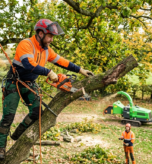
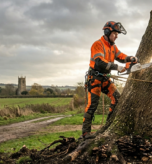
Tree removal is dangerous and highly technical work.
Risks include:
-
Falling branches
-
Chainsaw injuries
-
Property damage
-
Power line contact
-
Unstable tree collapse
Professional tree surgeons:
-
Conduct full risk assessments
-
Use specialist equipment
-
Follow safety regulations
-
Carry full insurance
-
Dispose of waste responsibly
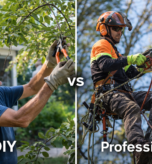
Attempting DIY tree removal can result in serious injury and costly damage.
The Tree Removal Process
If removal is necessary, the process typically involves:
-
Initial inspection and risk assessment
-
Checking for TPO or legal restrictions
-
Planning safe dismantling method
-
Sectional removal (for larger trees)
-
Ground clearance
-
Stump grinding (if required)
Professional removal ensures minimal disruption and maximum safety.
How Much Does Tree Removal Cost in Lincolnshire?
Costs vary depending on:
-
Tree height
-
Location
-
Access restrictions
-
Proximity to buildings
-
Waste removal
-
Need for specialist equipment
Small trees are typically more affordable, while large or hazardous removals require advanced techniques.
For accurate pricing, a site inspection is recommended.
Signs You Should Call a Tree Surgeon Immediately
Contact a professional urgently if:
-
A tree is leaning after a storm
-
Large branches have split or cracked
-
The tree is touching power lines
-
You notice significant root movement
-
The trunk shows major splitting
Acting early can prevent accidents and reduce long-term costs.
Final Thoughts: Is Tree Removal the Right Choice?
Tree removal in Lincolnshire is sometimes necessary — particularly for safety, disease control, and structural reasons. However, it should always be carefully assessed by a qualified professional.
If you’re unsure whether a tree needs to be removed, a professional inspection can provide clarity and peace of mind.
Need Professional Tree Removal in Lincolnshire?
If you’re concerned about a tree on your property, professional advice is essential.
Whether it’s storm damage, disease, structural risk, or planned development, expert assessment ensures the safest and most cost-effective solution.
Contact a qualified Lincolnshire tree surgeon today to arrange an inspection.